Inside the Basement
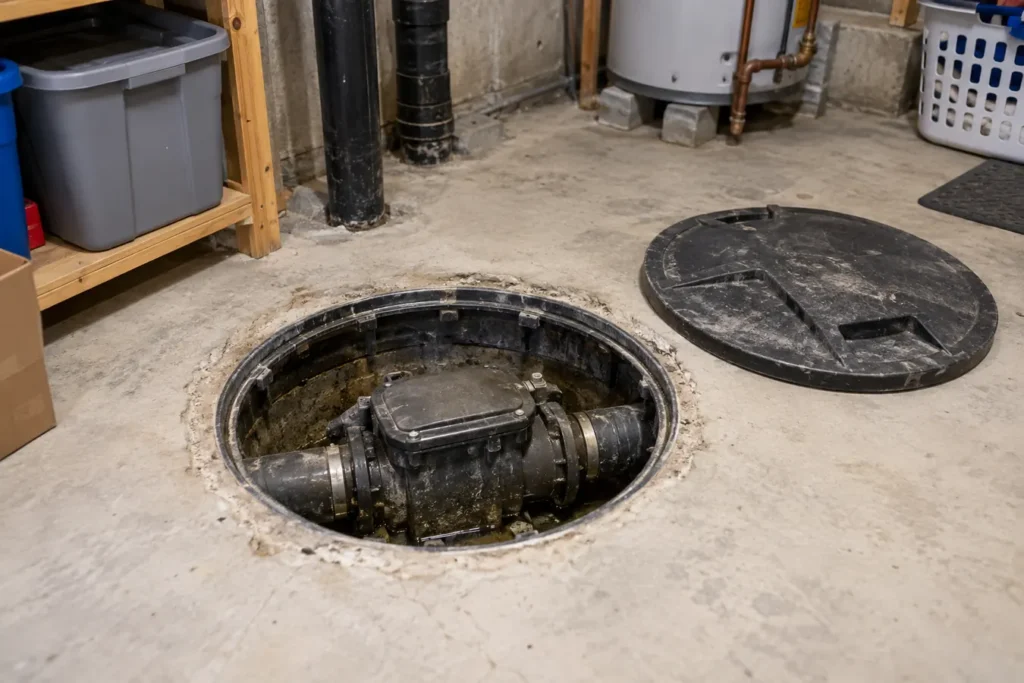
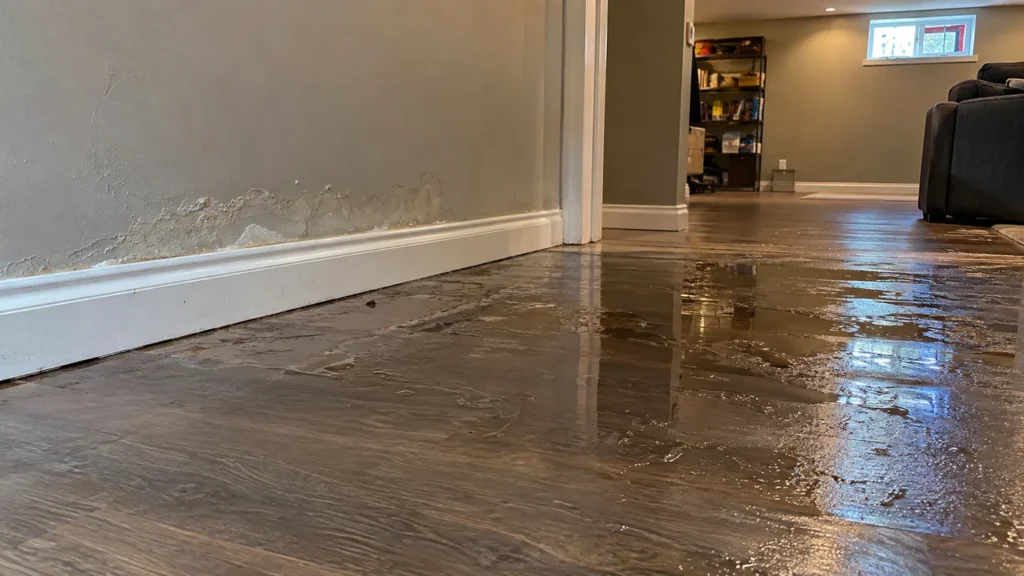
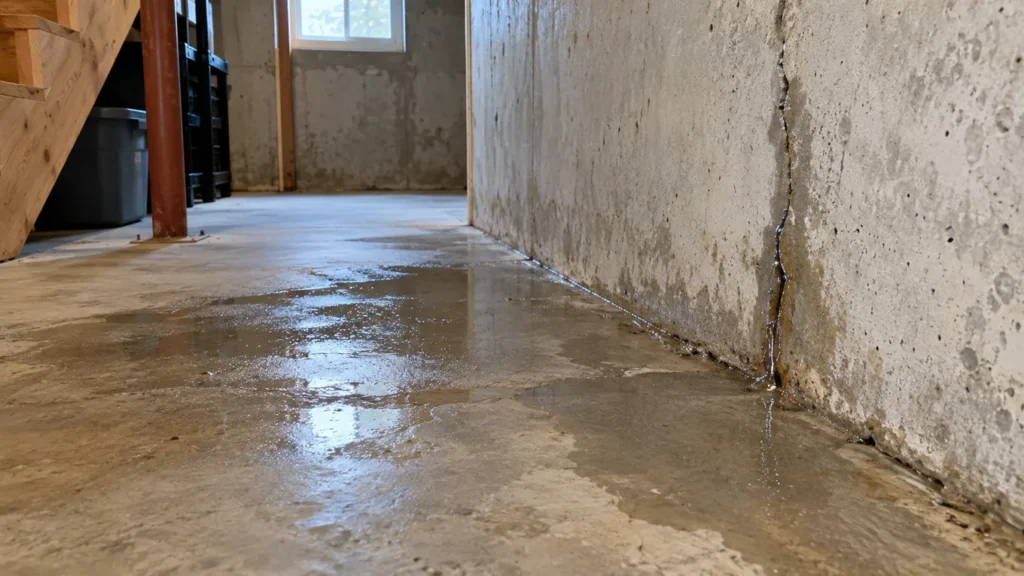
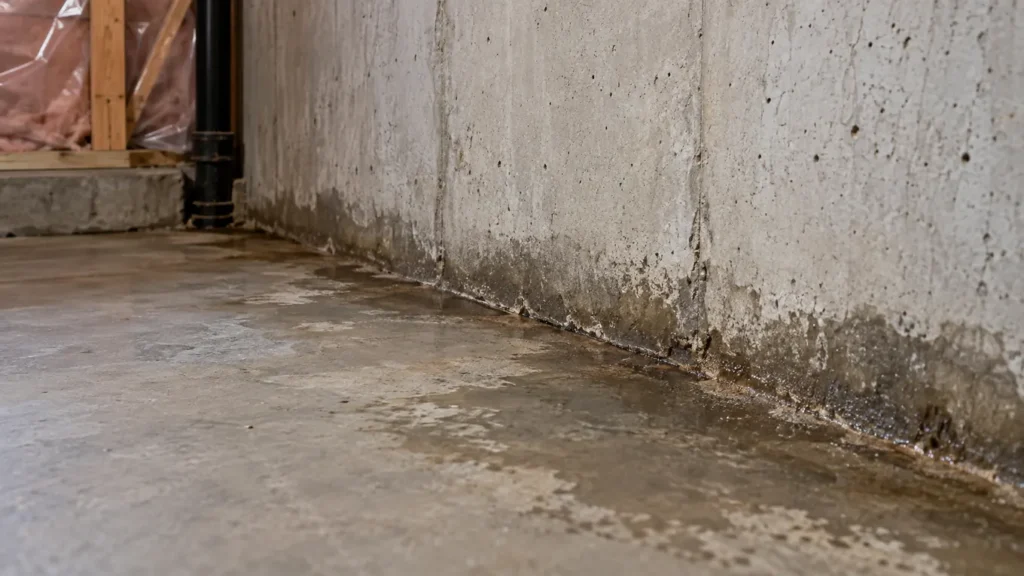
Track the first wet surface, floor drain, sump and finished wall condition.
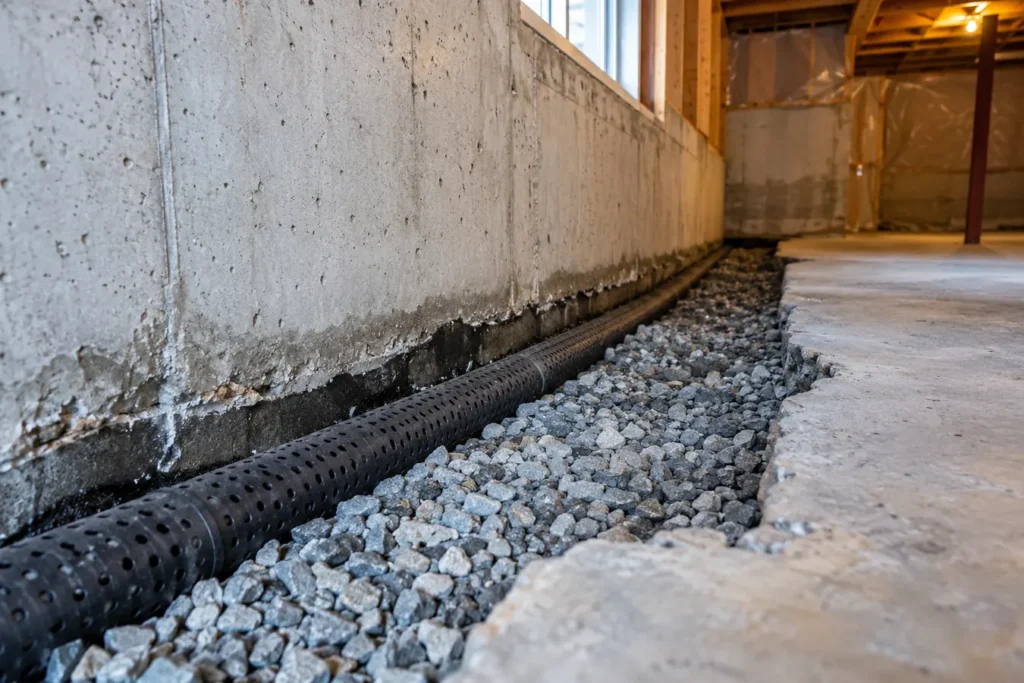
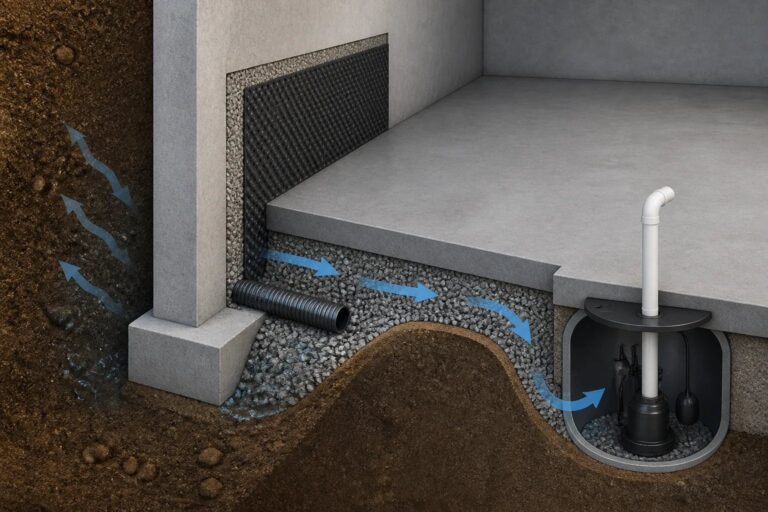
Waterproofing, foundation leak repair, sump pumps and drainage solutions planned around where water enters, how the property drains and what systems are already in place.
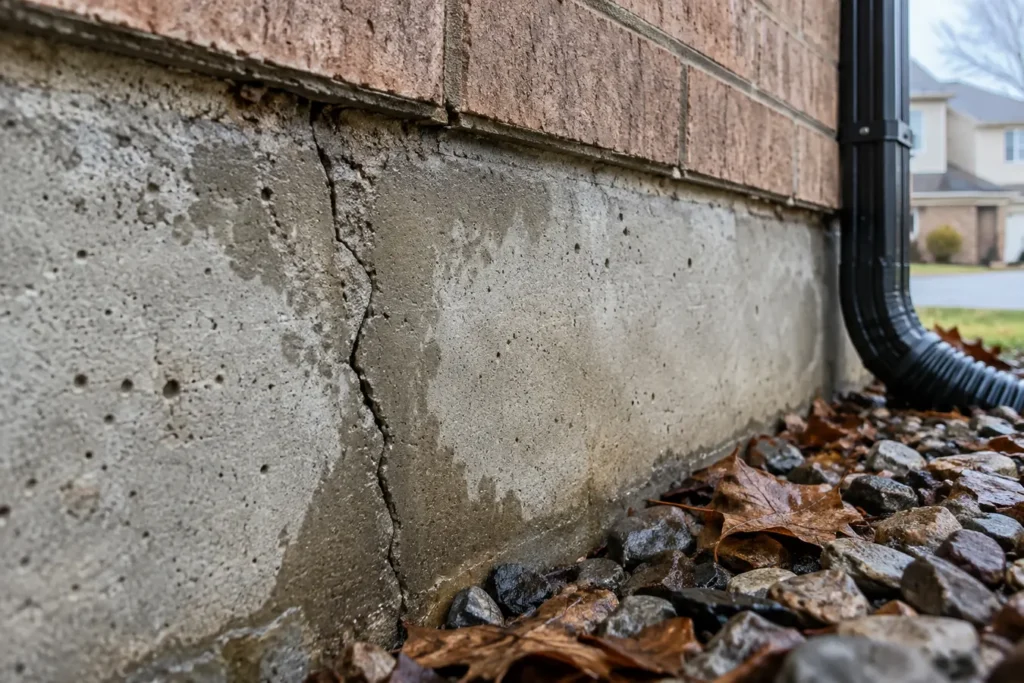
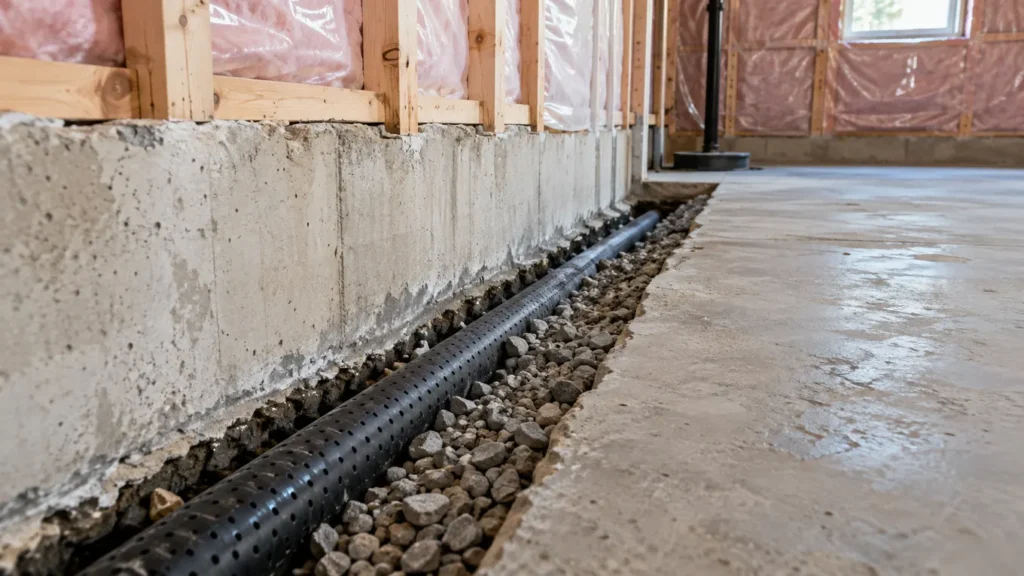

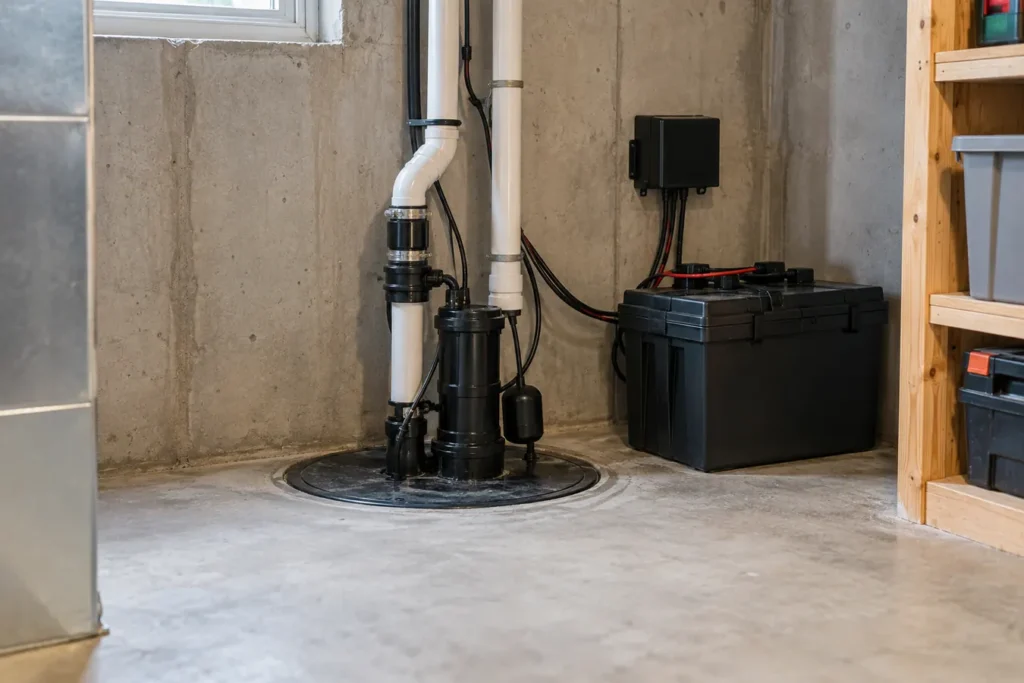
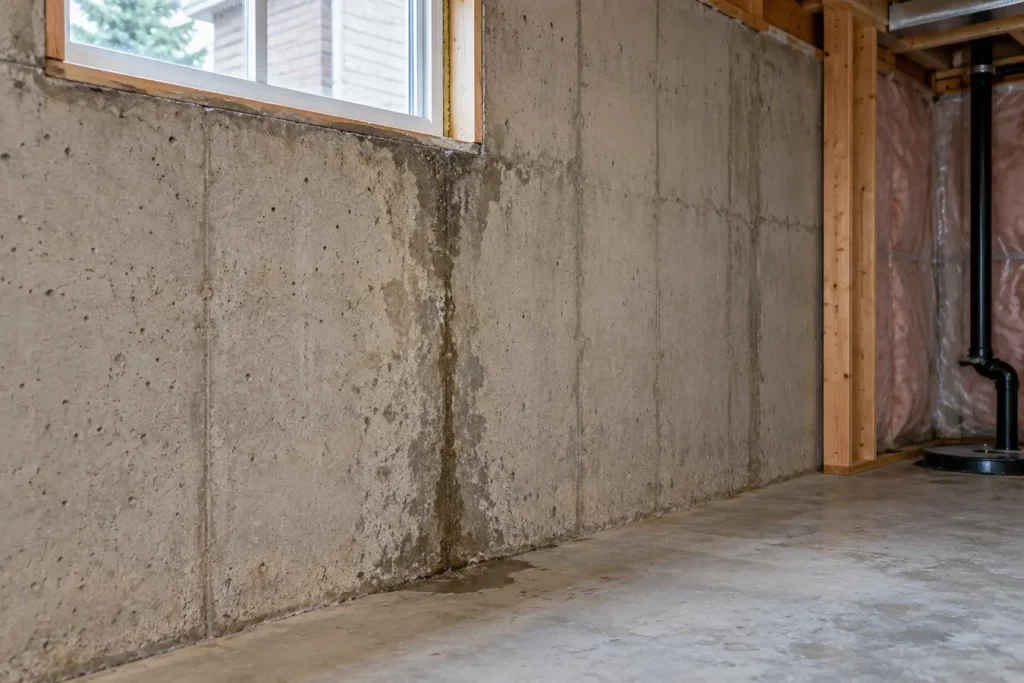
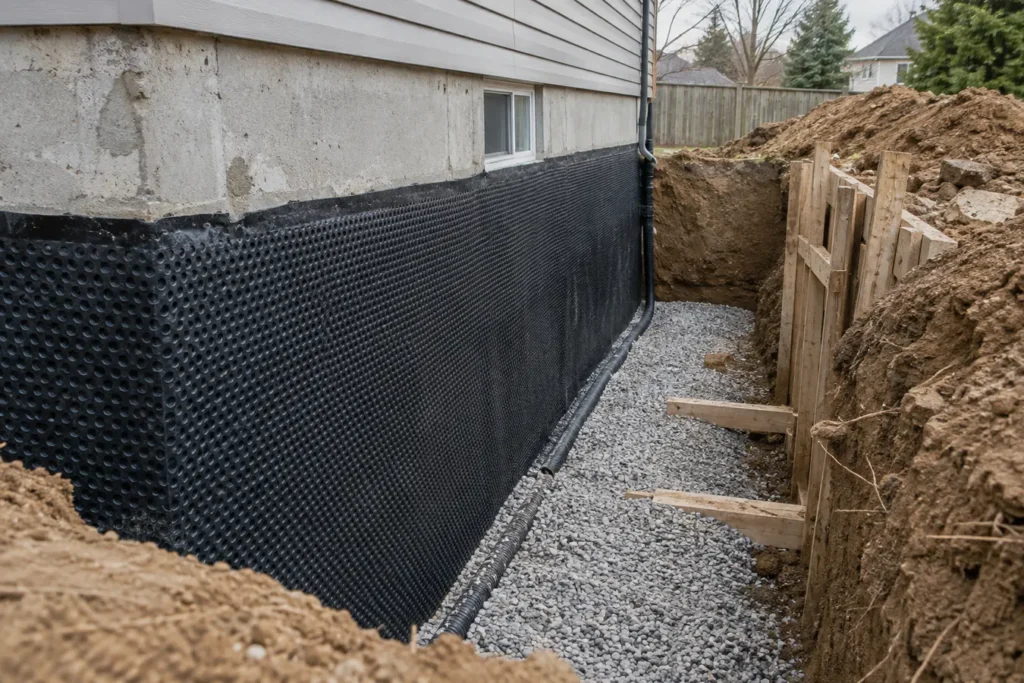
Describe what you see, when it occurs and what drainage equipment is already in place.
Timing and location help narrow the pathway before a repair is selected.
The place water becomes visible may not be where it enters.
Track the first wet surface, floor drain, sump and finished wall condition.
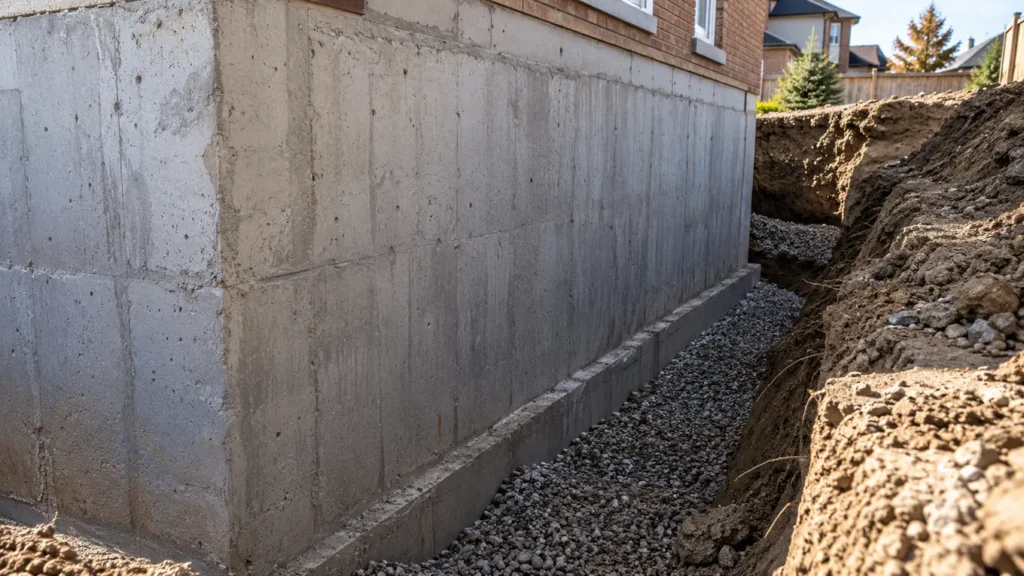
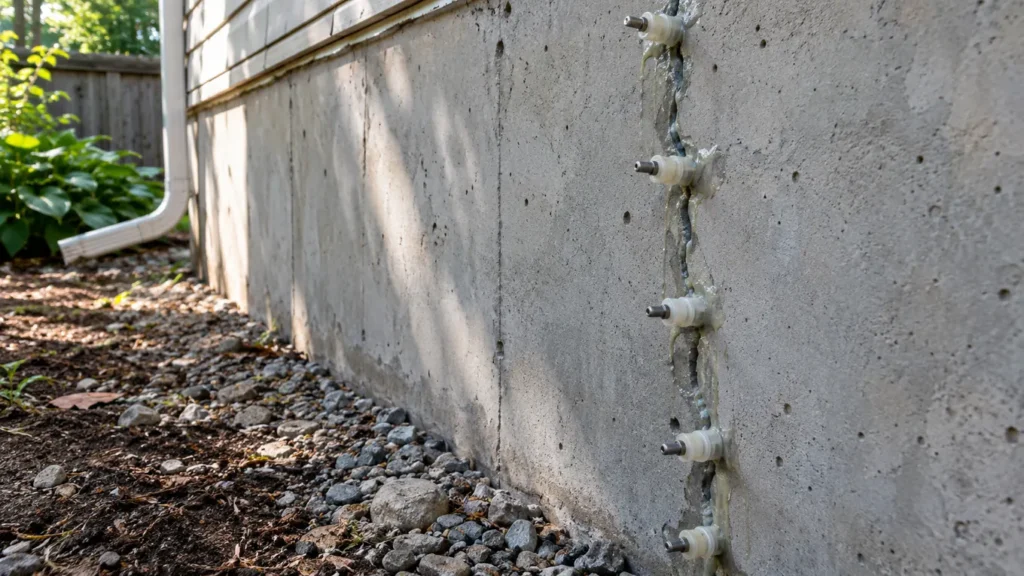
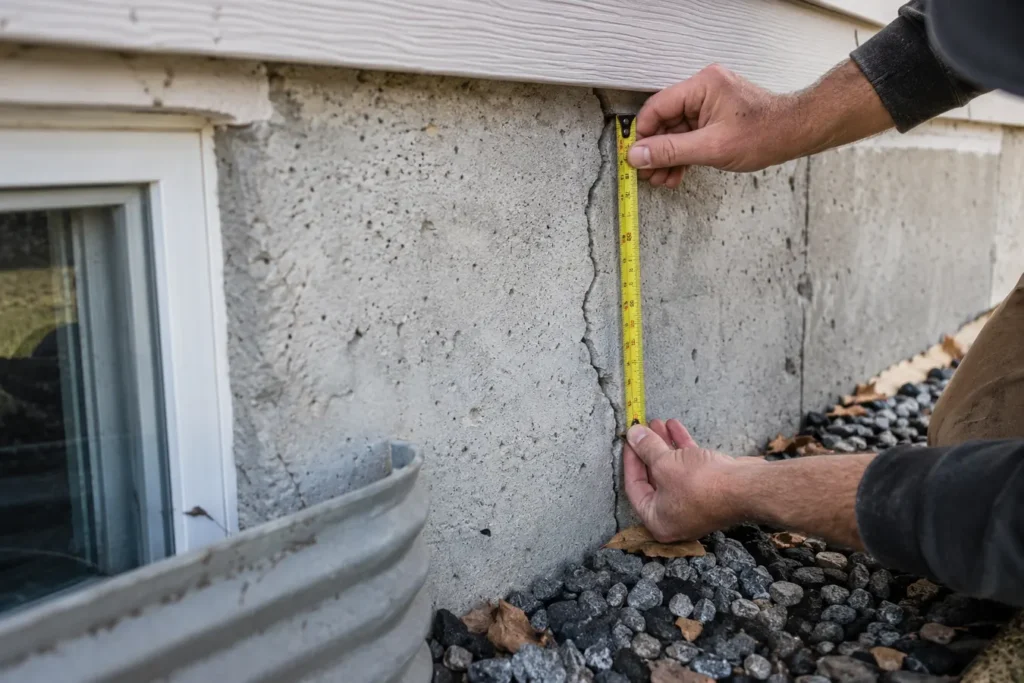
Examine cracks, penetrations, wall-floor junction and footing drainage.
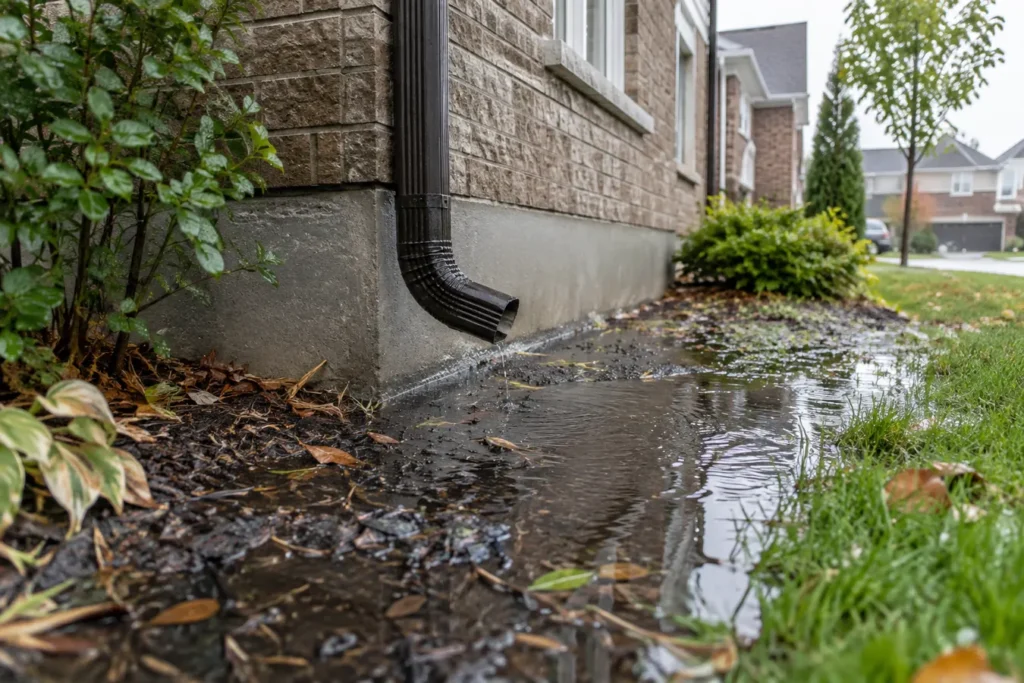
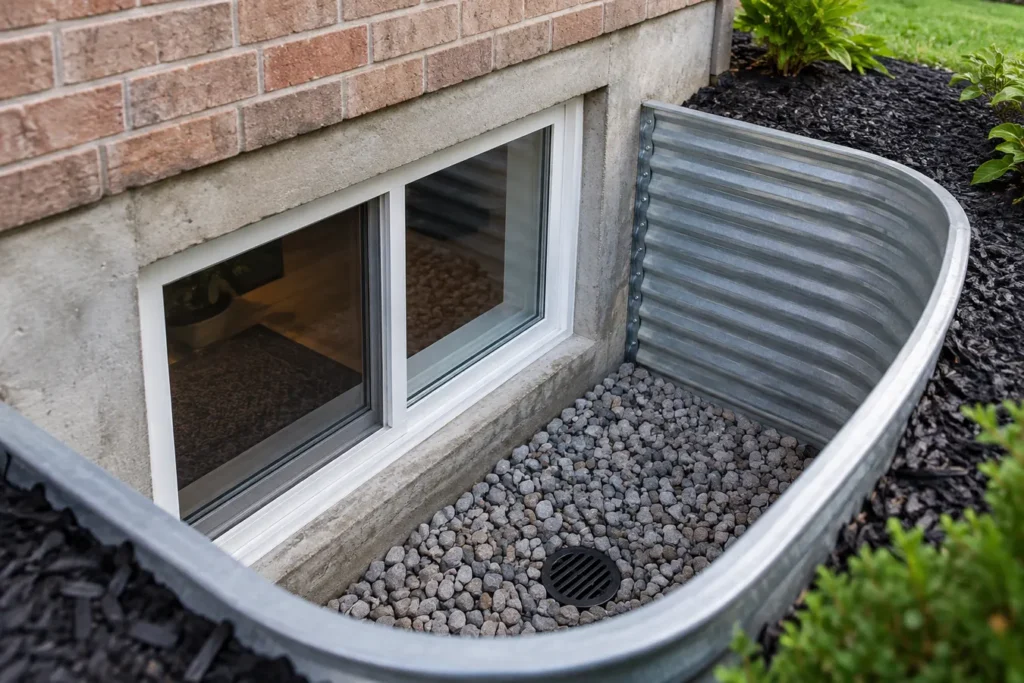
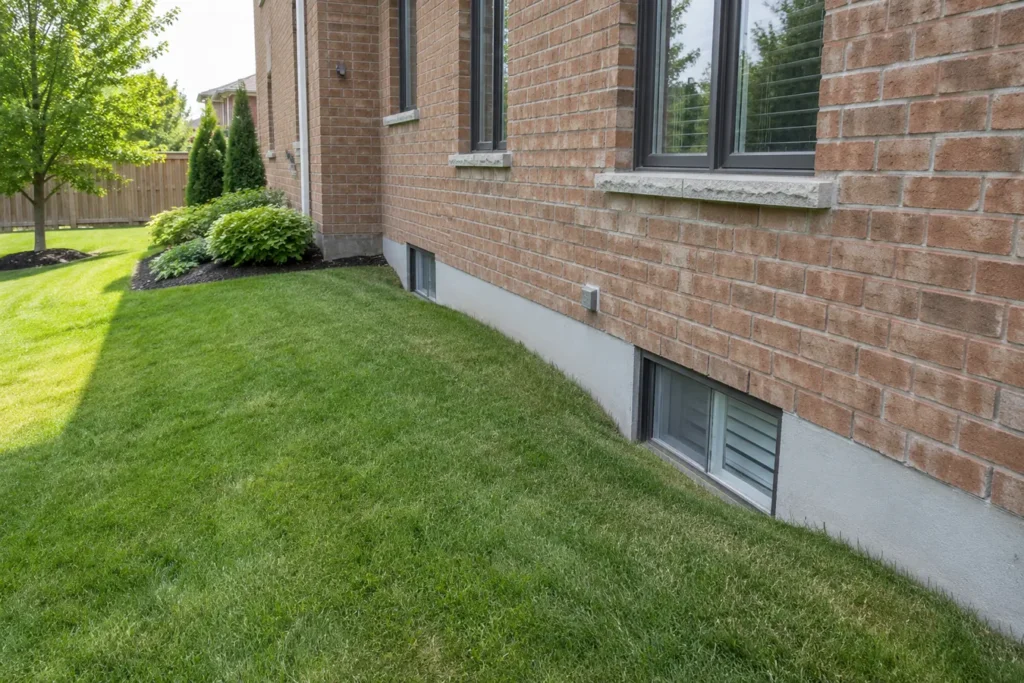
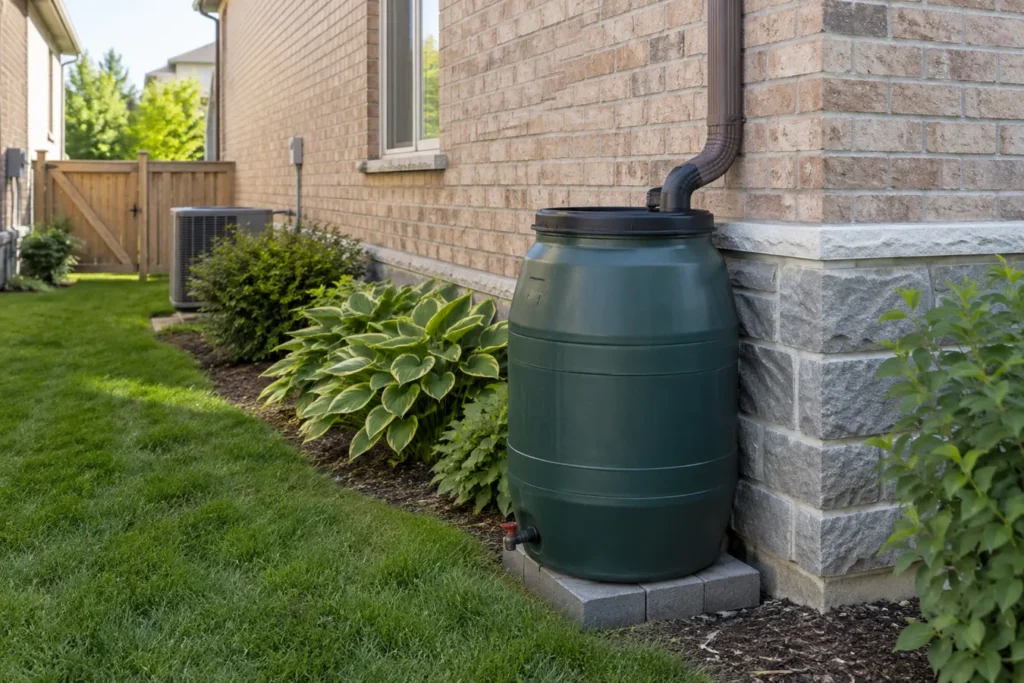
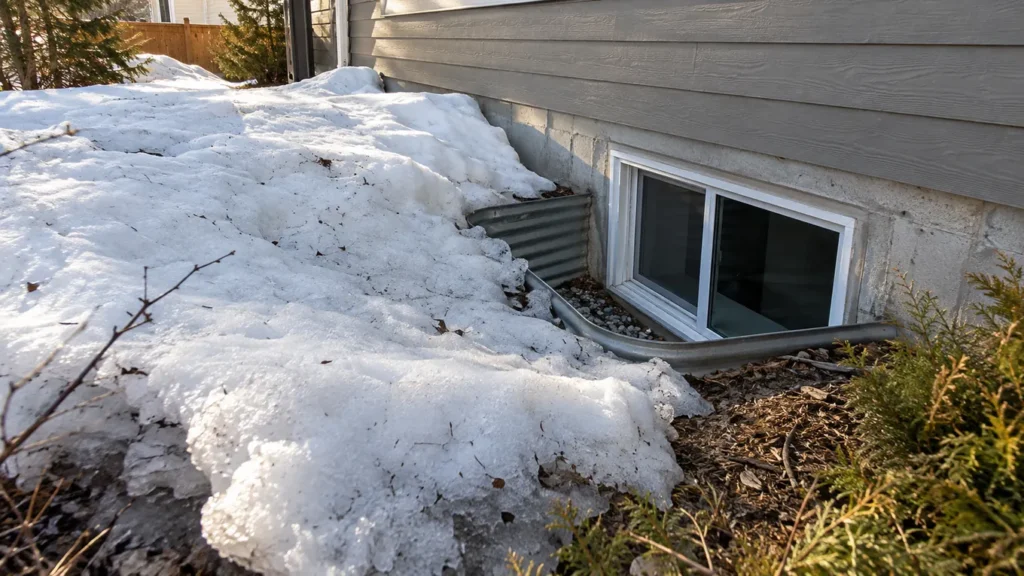
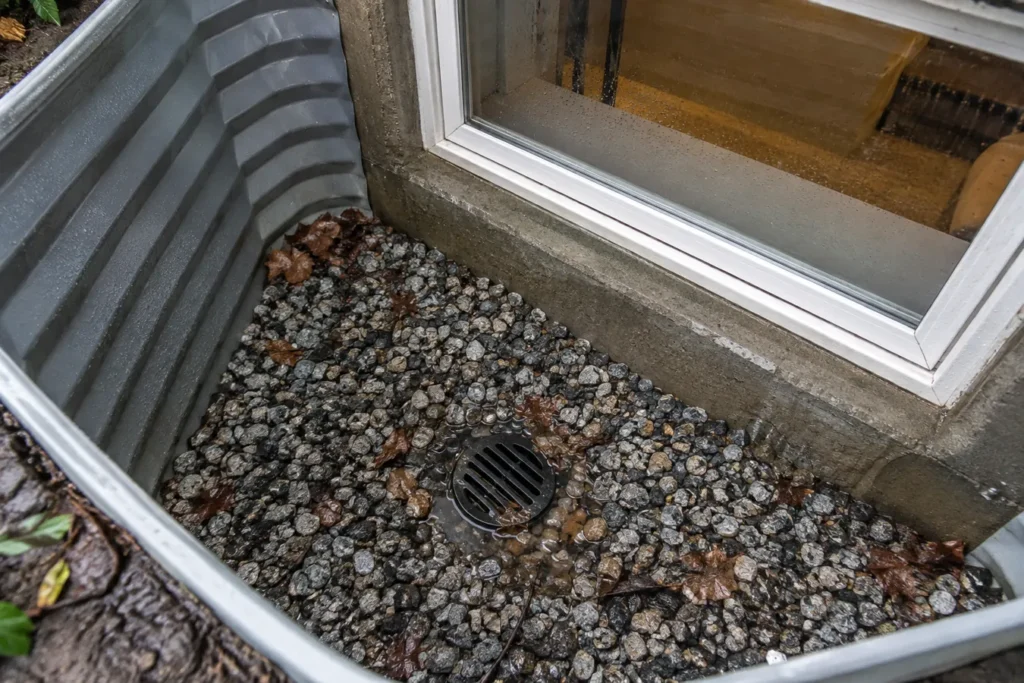
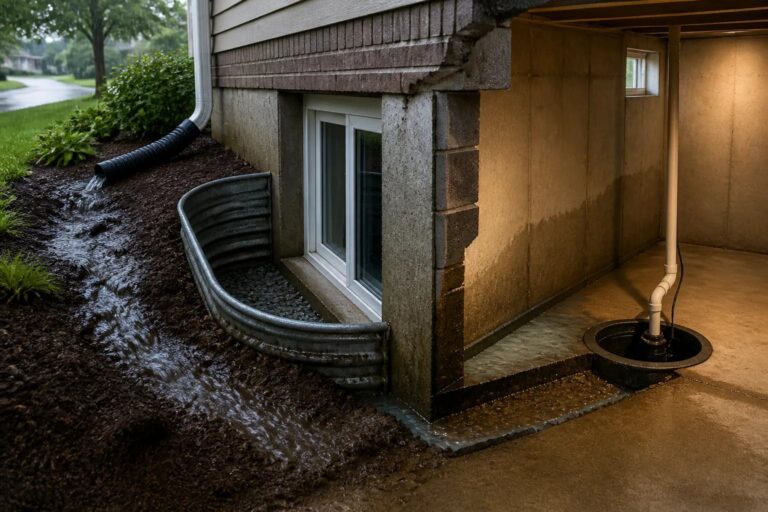
Review grade, roof runoff, windows, wells and discharge routes.
Access, water route and the drainage destination shape the choice.
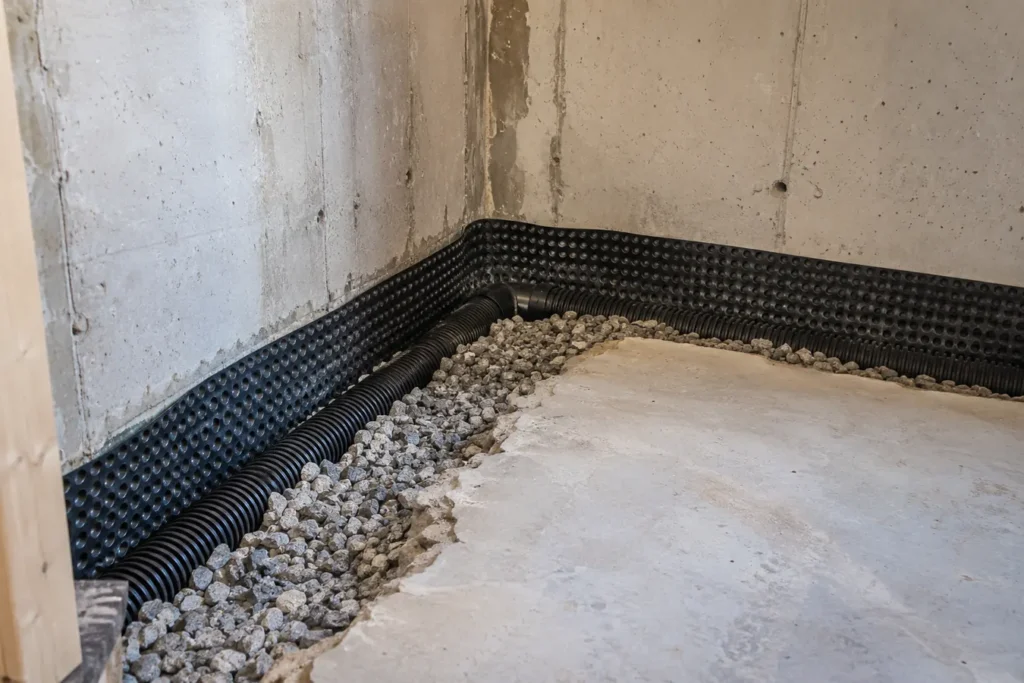
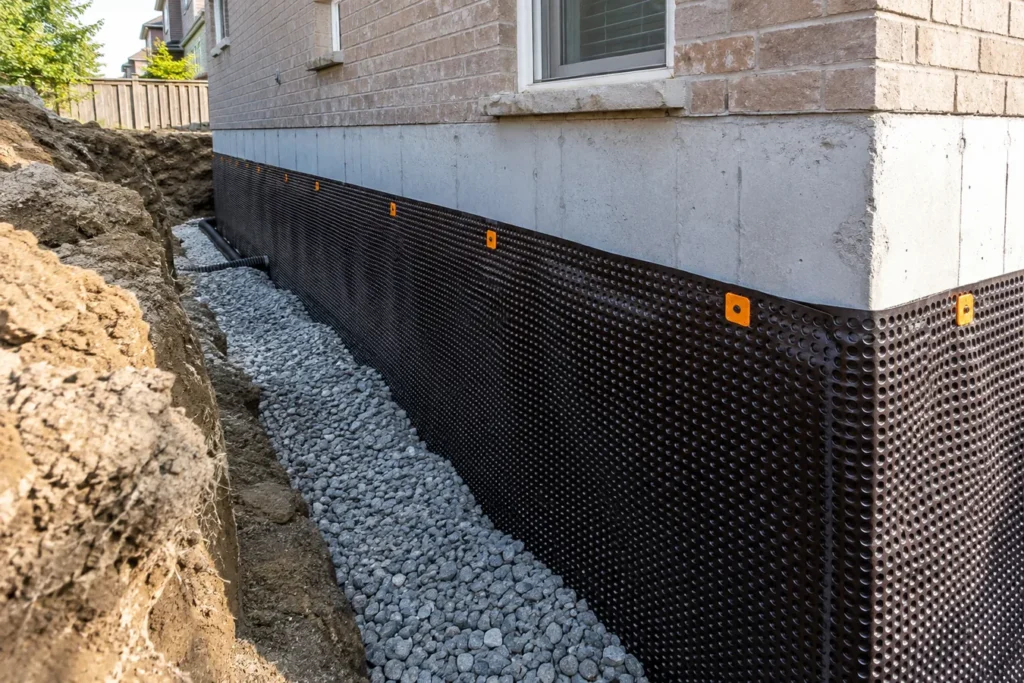
| Consideration | Interior drainage | Exterior waterproofing |
|---|---|---|
| Purpose | Collect and route water near the interior perimeter. | Expose and treat the exterior wall and foundation drainage. |
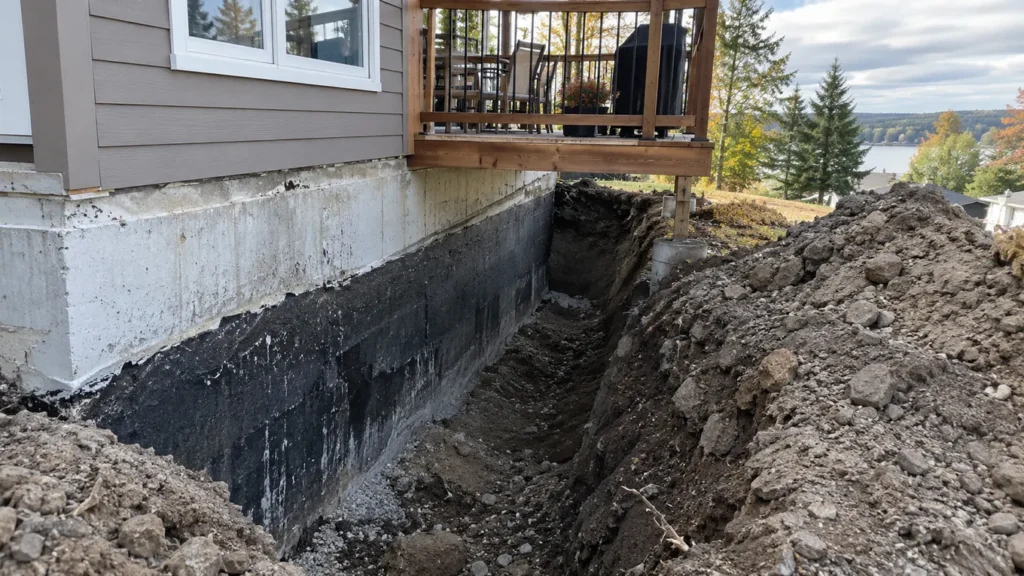
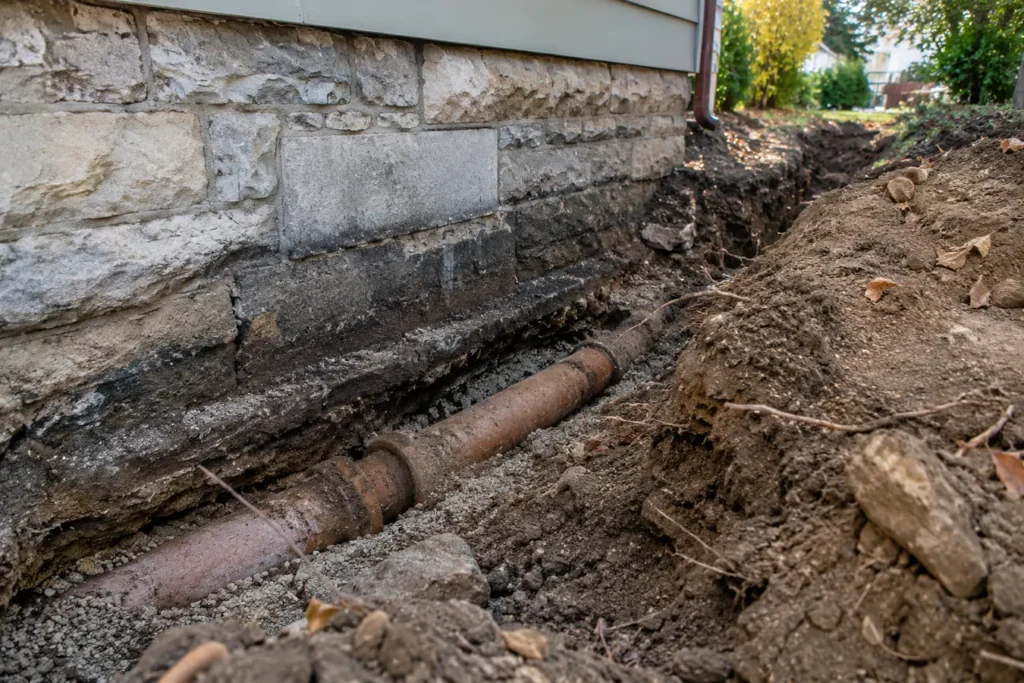
| Access | Requires floor-edge and often finished-wall access. | Requires excavation beside the affected foundation. |
| Disruption | Interior finishes and floor edges may need removal. | Landscaping, paving or exterior equipment can be affected. |
| Limit | Does not itself correct exterior grading. | Access and restoration can restrict the feasible scope. |
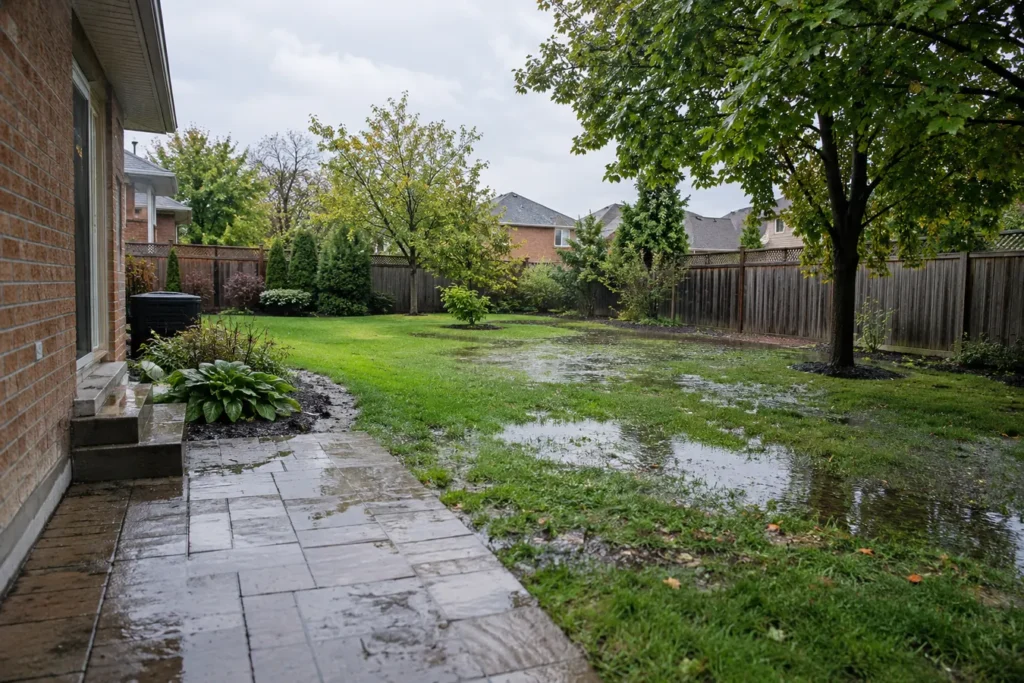
Town of Milton guidance calls for working sump pumps and backup, grading away from basement walls, roof drainage checks and downspouts extended away from the home. These steps can reduce exposure; an existing leak still deserves a pathway assessment.
Look at surface runoff during rain from a safe location and note whether the sump operated. A wet window well, a foundation crack and a wastewater backup call for different responses.
Read the Milton flooding guide ↗Current program amounts and eligibility depend on the measure, wastewater connection and documentation.
Halton amounts updated September 2025 for qualifying work completed after July 15, 2024. Confirm current criteria before work. Approval is not automatic.
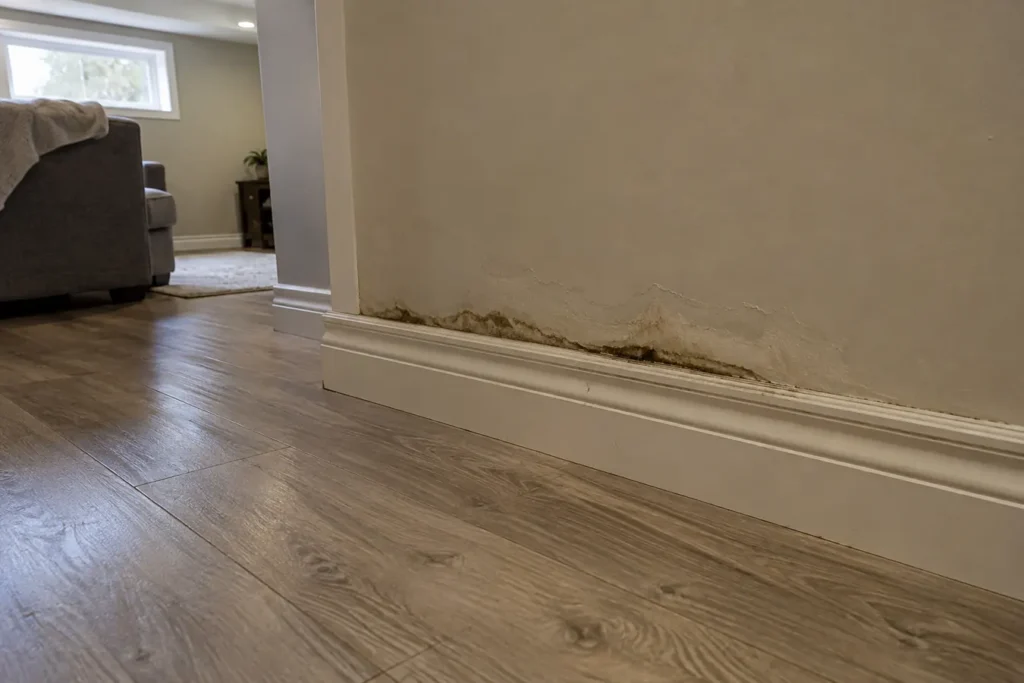
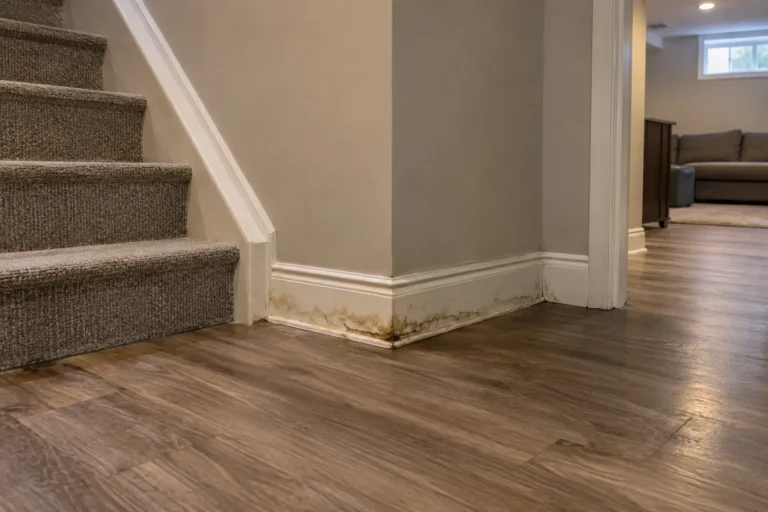
Review program details and documentation ↗Wet baseboards, darkened drywall, lifting floor planks and cabinet damage can appear away from the opening. The foundation may be concealed by insulation and a finished wall.
Document the first visible location and the weather pattern before repairing finishes. Discuss the access needed to identify the underlying route.
Water behind finished basement walls ↗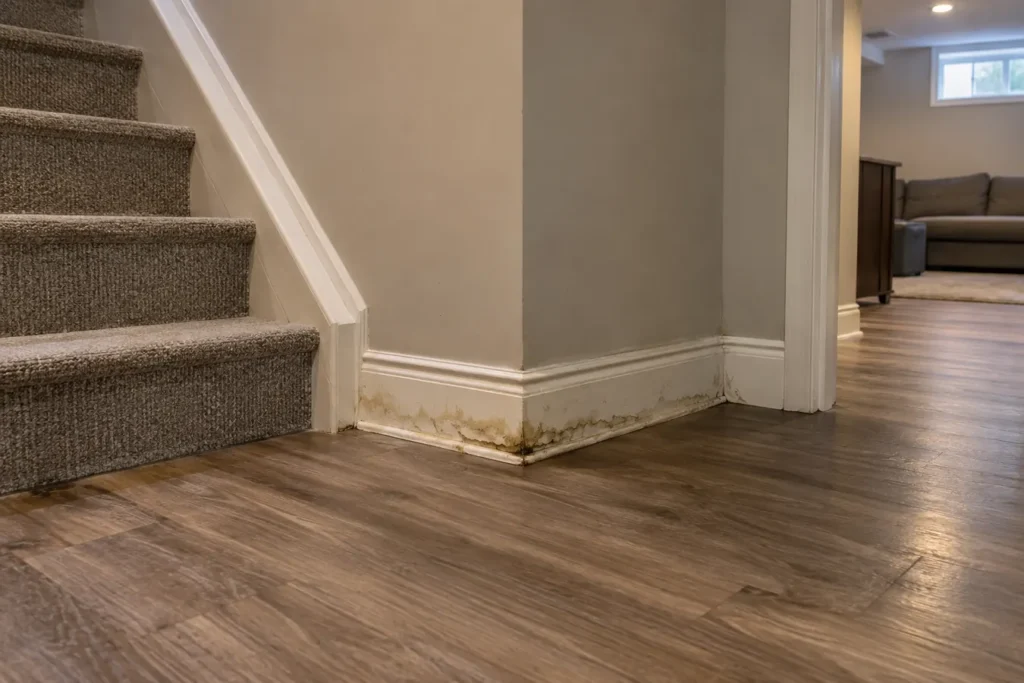
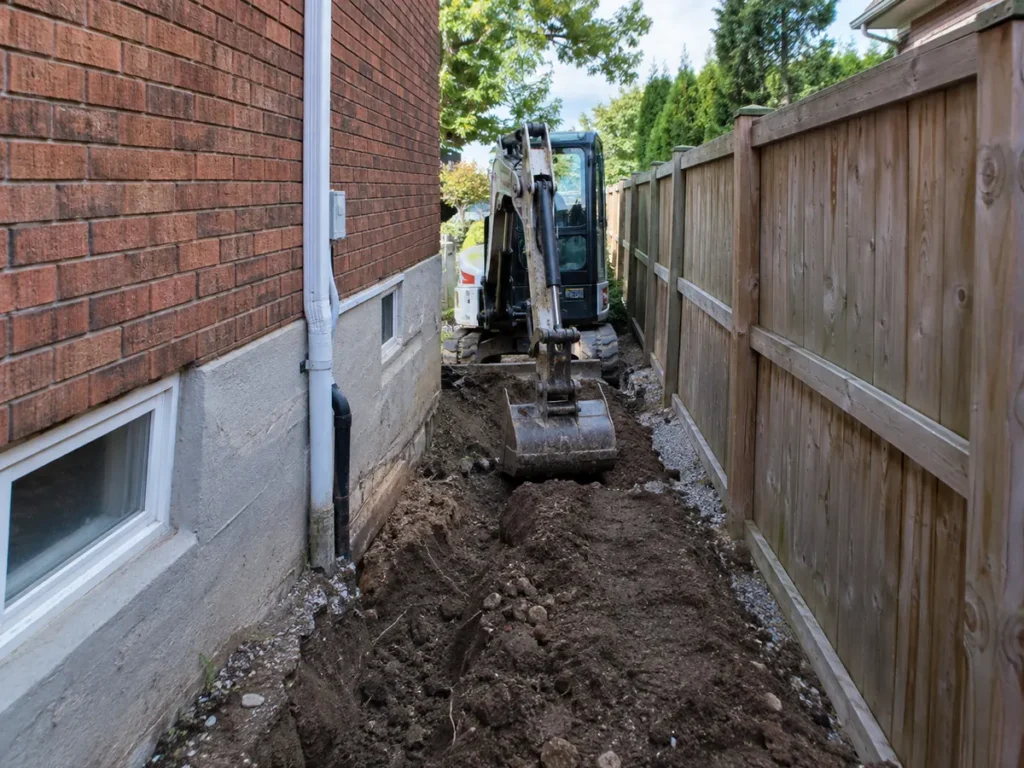
There is no useful universal price for a basement that has not been assessed. A localized crack repair and excavation along several foundation walls have different labour, access and restoration needs.
Compare the affected length, foundation depth, finished-basement demolition, drainage destination, sump work, permits and replacement of paving or landscaping.
Explore cost factors ↗No. Water may enter through a wall or window and travel under finishes before it appears on the floor.
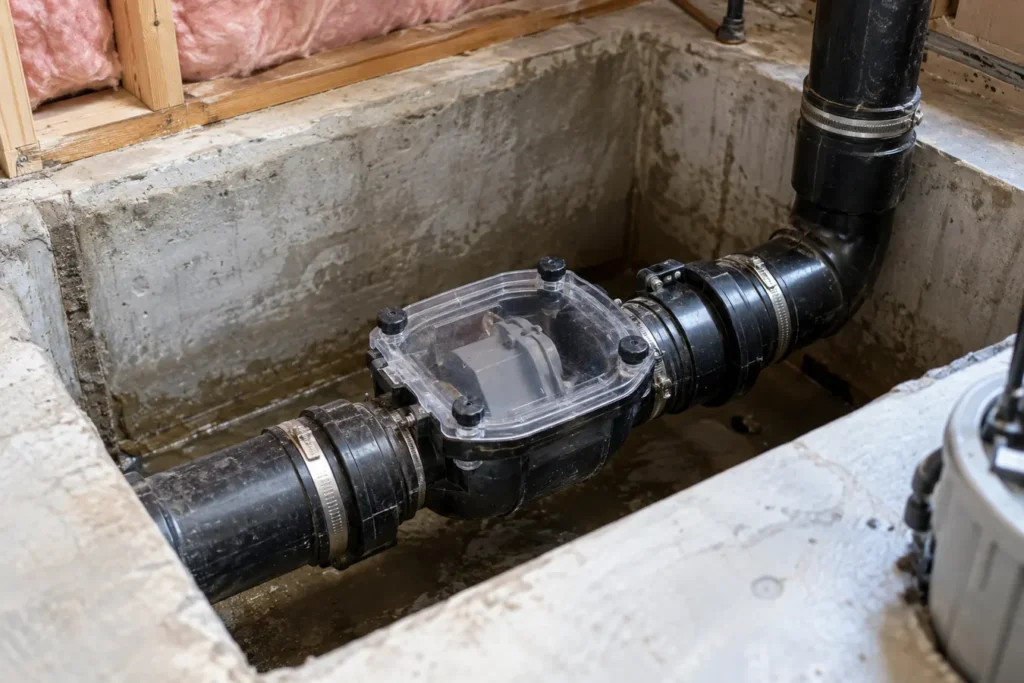
No. A sump moves collected foundation water; a backwater valve addresses reverse flow in the wastewater line.
Known water issues should be investigated before new drywall and flooring hide the foundation. Milton requires a permit to finish any portion of a basement.
Share the location, timing, property conditions and any previous repair. Those details help define a useful assessment.